Search "how to track macros" and you'll mostly find two answers: buy a food scale and log everything in a spreadsheet, or download an app and type in every ingredient by hand. Both work, in the sense that the math is simple. Both are also exactly why most people who start tracking macros stop within a few weeks, not because the concept is hard, but because doing it by hand at every meal is tedious in a way that motivation doesn't survive.
First, figure out what you're aiming for
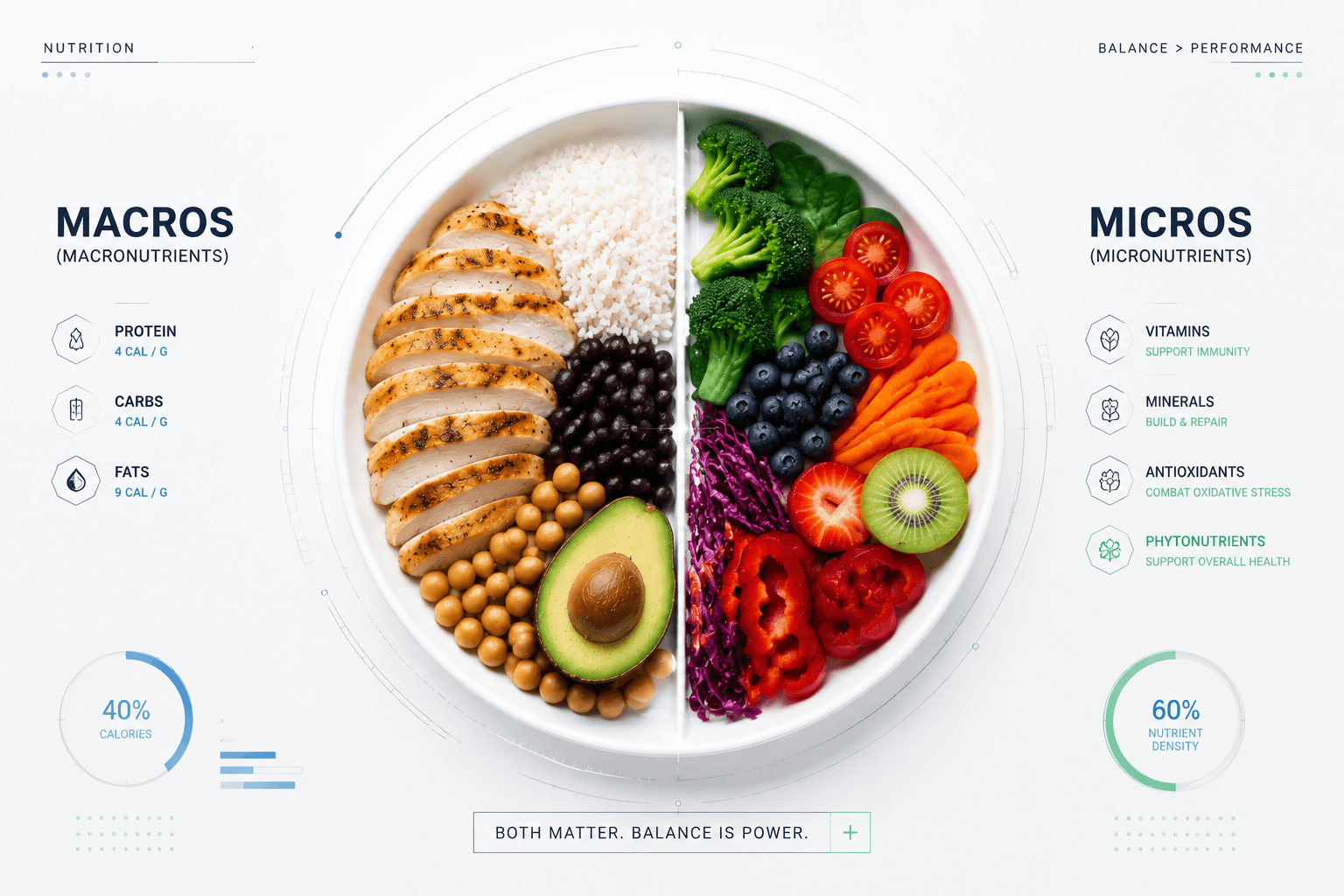
Before tracking anything, you need a target. If you're not sure what macros even are or how they differ from micronutrients, start here; this guide picks up from "I know what macros are, now what."
A reasonable starting split, per U.S. Dietary Guidelines, is:
Where you land inside those ranges depends on the goal:
Here's what that looks like with real numbers. Say you're eating 1,800 calories a day and trying to lose weight, so you're aiming for the higher end of the protein range, around 30%. That's 540 calories from protein, divided by 4 (calories per gram of protein), which comes out to 135 grams a day. Do the same for fat at 30% (60 grams) and let carbs fill the rest. That's the entire calculation: pick a percentage, multiply by your calorie target, divide by 4 or 9. No app required to get a starting number, just to keep hitting it.
Why tracking macros gets abandoned
The pattern is remarkably consistent: week one, you log everything, weighing chicken breasts and searching food databases for the exact brand of yogurt in your fridge. By week three, you're eyeballing portions and skipping the meals that feel like too much effort to search for. By week five, the app is still on your phone, but you haven't opened it in days. None of that is a failure of willpower. It's what happens when a habit requires real effort at every single meal, forever, with no way to make it easier over time.
A few common approaches, roughly in order of how much friction they create:
| Method | Effort per meal | Where it breaks down |
|---|---|---|
| Food scale + spreadsheet | High | Time-consuming enough that most people quit within weeks |
| Manual entry in a tracking app | Medium | Searching a food database for every ingredient adds up fast |
| Barcode scanning | Low for packaged food | Doesn't help with home-cooked or mixed meals |
| AI photo analysis | Low | Estimates, not lab measurements, but covers any meal |
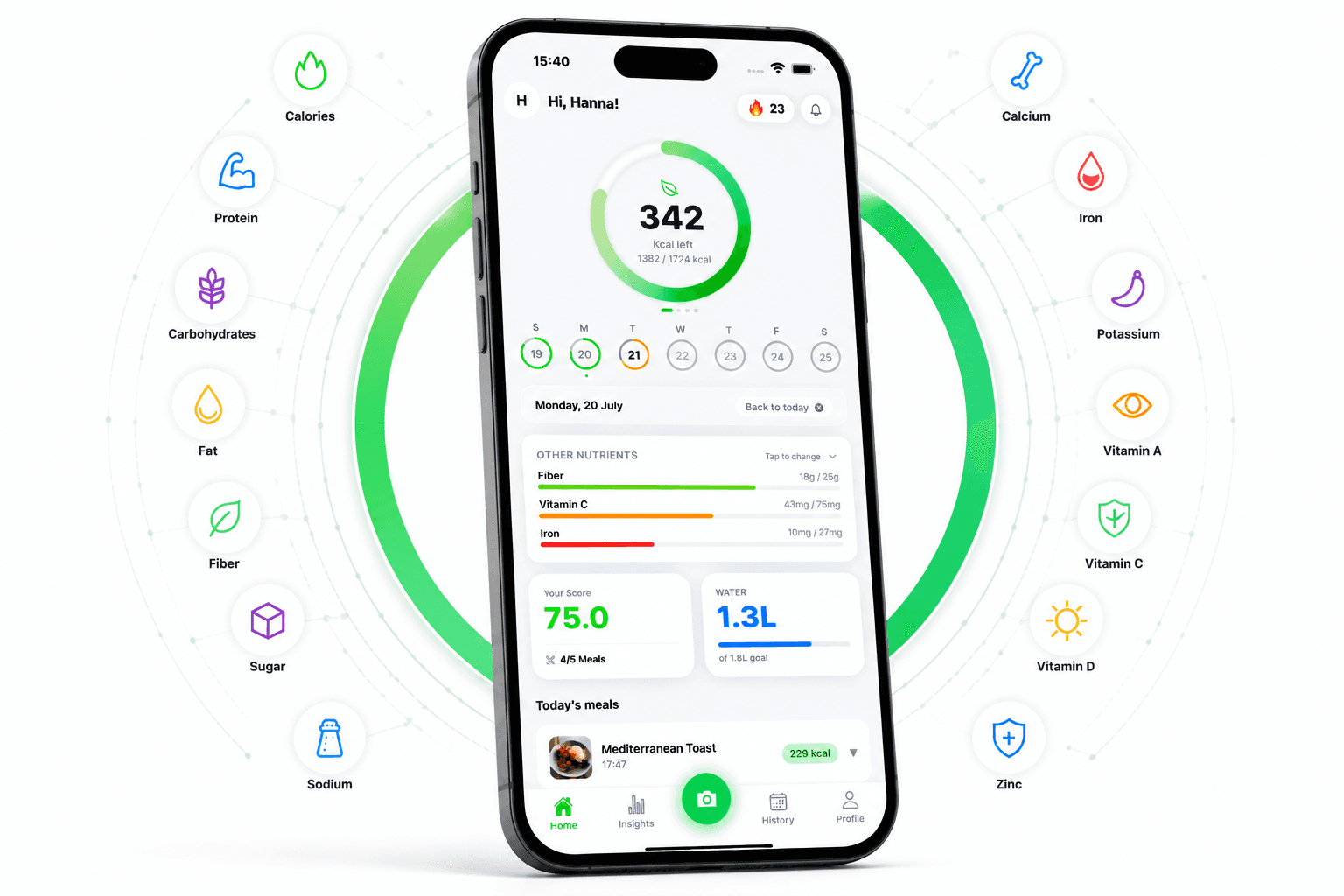
The first three all share the same flaw: the effort per meal never goes down, no matter how long you've been doing it. Photo-based tracking is the one approach where logging a home-cooked stir-fry takes the same few seconds as logging a granola bar.
Mistakes that quietly throw your numbers off
Forgetting oil, butter, and sauces. A tablespoon of olive oil is 120 calories and 14 grams of fat on its own, and restaurant kitchens in particular tend to use far more of it per dish than a home recipe would call for. It's also the single most common thing people forget to log, since it doesn't feel like "food" the way a piece of chicken does.
Trusting the "healthy" label on things that aren't macro-friendly. Granola, smoothies, and nut butter all carry a health halo that has nothing to do with their actual macro profile. A large fruit smoothie can easily hit 60+ grams of carbs from fruit alone, and a couple of tablespoons of almond butter is closer to 200 calories than the small dollop it looks like. "Healthy" and "low-carb" or "low-calorie" are frequently unrelated claims about the same food.
Restaurant meals in general. Even a dish that looks like something you'd cook at home, grilled chicken and vegetables, say, is often finished with butter, oil, or a sauce added off-menu, and portion sizes tend to run larger than what you'd serve yourself. Eating out is one of the biggest sources of "I ate healthy today" days that quietly blow past a macro target.
Eyeballing portions indefinitely. You don't need to weigh every meal forever, but calibrating your eye against a scale once in a while keeps your estimates honest. Portion sizes drift over time without anyone noticing, and a "cup" of rice has a way of slowly becoming a cup and a half.
Treating the target as fixed. Your macro needs change with your weight, activity level, and goals. A target that made sense three months ago isn't necessarily right today, especially if your weight or training has shifted since you set it.
Chasing exact numbers instead of a consistent pattern. Hitting 150.0 grams of protein exactly on Tuesday and then giving up entirely on Wednesday because Monday was "off" is worse than landing within 10-15 grams every day for a month. Trends matter more than any single day, and a tracker that makes you quit over one imperfect meal isn't actually helping.
Why macros alone still isn't the full picture
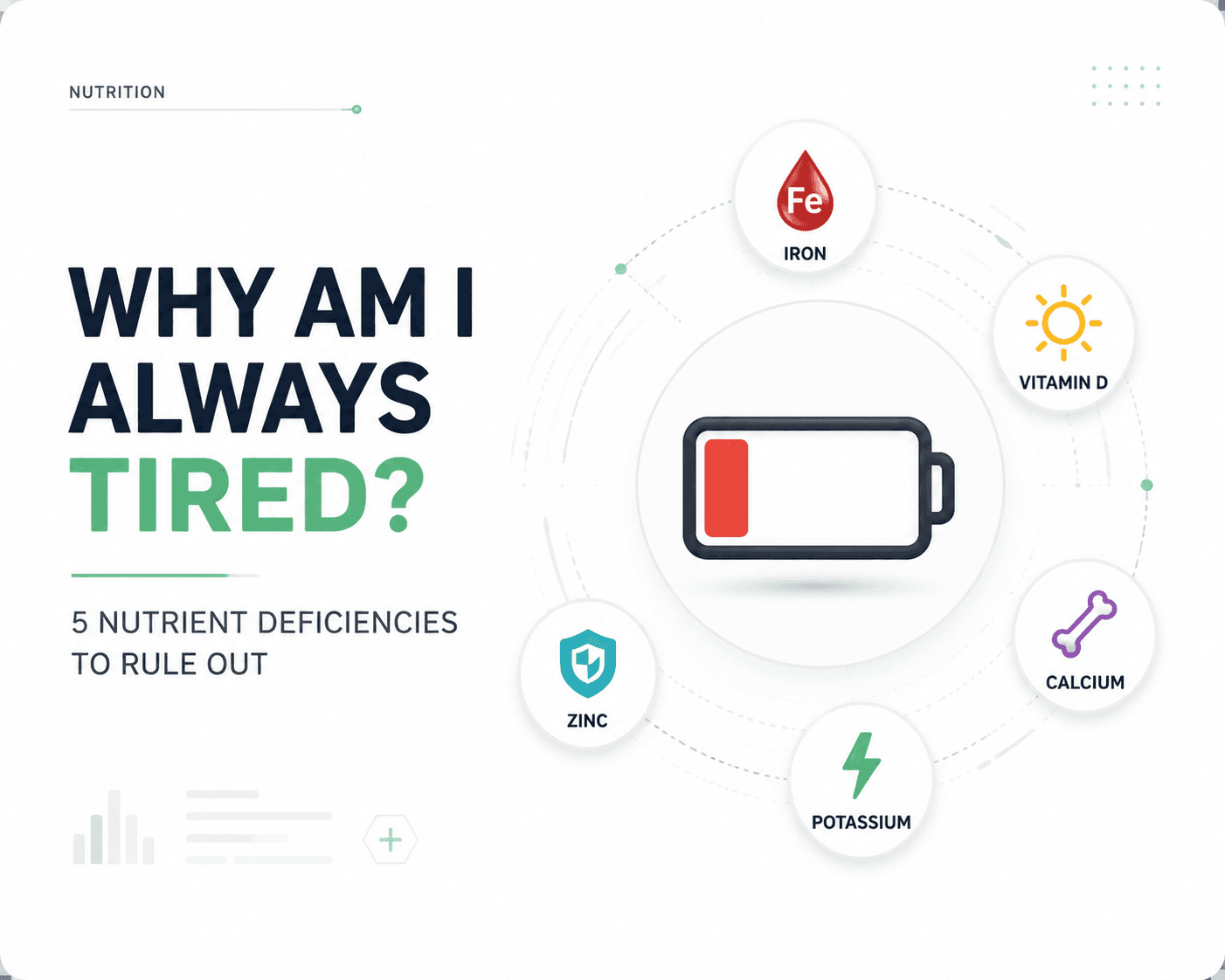
Even a perfectly tracked macro split doesn't tell you if you're getting enough iron, fiber, or vitamin D. Two meals with identical macros can be nutritionally very different depending on what foods make them up, and that's before accounting for the 14 nutrients that determine how well you're actually eating, not just how much.
The bottom line
Set a target based on your goal, then track it in whatever way you'll actually keep doing in three weeks, not just the first three days. Watch for the blind spots, cooking oil, restaurant meals, foods that look healthier than their macros actually are, more than the exact number on any single day. The method that gets abandoned by week two is worse than an imperfect one you stick with, and consistency matters more than precision ever will.
Try Fobalanz free and see your macros (and everything else) from a photo of your next meal.
This article is for informational purposes only and isn't medical advice. If you're managing a health condition or training for a specific athletic goal, a registered dietitian can build a plan more precise than general guidance like this.
Macro ranges are based on U.S. Dietary Guidelines for Americans (Acceptable Macronutrient Distribution Ranges); protein guidance for muscle building reflects commonly cited sports nutrition research.